Family Life in 2026: What's Changed and Why It Matters
A year of shifting priorities, new parenting research, and unexpected turns in how families actually spend their time.
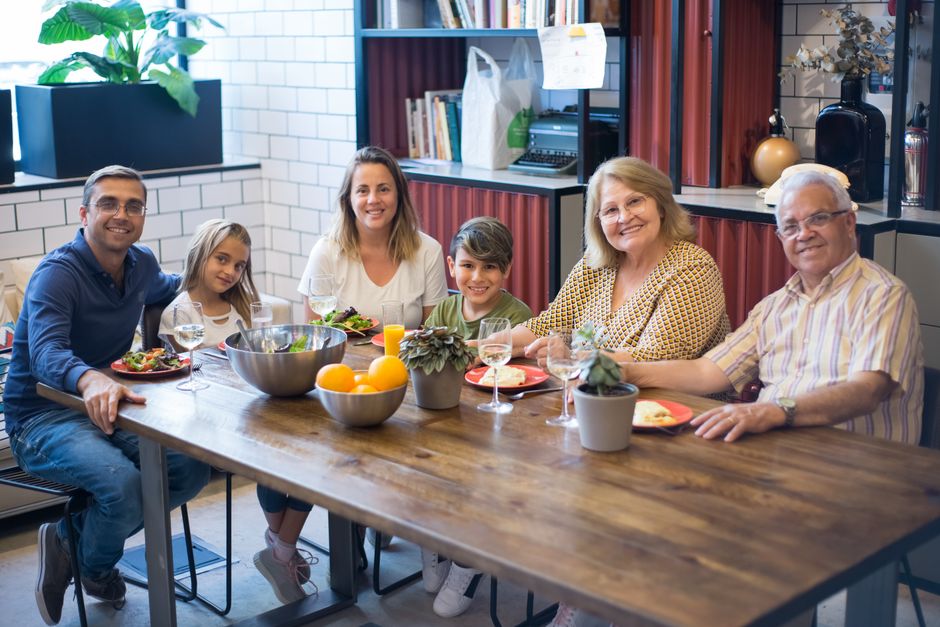
2026 arrived with a quiet reshuffling of what family life looks like in practice. Some of the biggest shifts aren't in policy or headlines—they're in daily rhythms, values, and how parents and kids navigate connection in a world that hasn't
stopped changing.
This year brought particular clarity on three fronts: how families are thinking about screen time and outdoor play, the economics of raising kids, and what 'togetherness' actually means in blended and multi-generational households.
Here's what moved the needle for families this year, and what might stick around.
The Great Recalibration on Screen Time
Parents spent much of 2025 wrestling with phone use. In 2026, that tension crystallized into action. New research from the American Academy of Pediatrics reinforced what many families already suspected: there's no magic formula.
Instead, families shifted toward a harm-reduction mindset. Rather than zero screens, households began setting contextual rules. Video calls with distant grandparents stayed. Passive scrolling faced real friction.
The uptake of family-friendly device-free times grew notably. Evening dinners without phones, outdoor weekends carved out without negotiation—these felt less like deprivation and more like reclaiming something.
Apps designed for this boundary-setting saw genuine adoption, but the real change was cultural permission to not have perfect digital citizenship at home.

Economic Reality and Parenting Costs
Child-rearing costs hit a psychological inflection point this year. The USDA's latest estimates on parenting expenses showed families spending a staggering percentage of household income on raising children.
Two trends emerged in response. More families delayed homeownership or chose smaller spaces. Others pushed back against "intensive parenting" culture—and not quietly. Unscheduled playtime returned as both necessity and philosophy.
The gig economy's grip on family schedules loosened slightly, though wage stagnation meant families had to be creative. Cooking from scratch saw a genuine renaissance, not as wellness trend but as economic survival.
Parents spoke less about balancing it all and more about which balls were rubber and which were glass. That honesty shifted family decision-making in 2026.
Blended, Multi-Generational, and Chosen Family
Household composition continued to diversify. Step-families, grandparents raising grandchildren, and unrelated adults sharing resources became even more visible in family life.
This mattered because institutions finally began catching up. Schools softened policies on legal guardianship recognition. Healthcare providers expanded who could make medical decisions. These weren't dramatic reforms, but friction points eased.
Chosen family—long a reality—became more celebrated in 2026. Friend groups who'd been parenting alongside each other for years saw their arrangement reflected more accurately in cultural conversations.
The shift wasn't ideological; it was practical. Families needed support, and where it came from mattered less than whether it actually showed up.

Five Small Shifts That Actually Stuck in 2026
1. Outdoor Time as Non-Negotiable
Families stopped treating nature time as bonus activity. Rain, cold, or inconvenience, kids needed outside. This drove real changes—more public investment in parks, trails, and free green space access.
2. Permission to Say No to Extracurriculars
The pressure cooker of kids' schedules eased slightly. More parents said no to overscheduling without guilt, letting boredom—and imagination—return.
3. Mental Health Conversations with Kids Got More Honest
Parents began modeling vulnerability. Talking about stress, anxiety, and difficult emotions became normal table conversation rather than something to hide.
4. Sharing Practical Parenting Knowledge (Not Tips)
Communities shifted from "mommy blogger" culture to actual peer support. Parents asked each other hard questions about money, discipline, and burnout—and got real answers.
5. Rethinking What 'Quality Time' Means
Shared chores, cooking together, and unplanned moments began to count as real connection. Perfected vacations mattered less; everyday presence mattered more.
The Year Ahead
2026 didn't bring revolution. Instead, it clarified something quiet: families are choosing sustainability over performance.
That might be the year's most important change—the permission to build a life that actually works for your household, rather than one that looks right from the outside.
What stays is whatever aligns with real values and actual schedules. Everything else is optional.
Looking ahead
The changes of 2026 aren't dramatic because they're answering practical questions, not ideological ones. Families needed relief and clarity, and that's what emerged.
What's changing in your household this year? The shifts that matter most are often the personal ones.