How Sensory Toy Design Is Shaping Child Development in 2026
Why texture, sound, and movement matter more than ever in early childhood play.

Sensory play isn't new, but the intentionality behind it has shifted. Designers are now building toys that don't just entertain—they actively support how children process and understand the world.
The difference between a random toy and a thoughtfully designed sensory experience often comes down to purpose. Texture, sound, weight, and movement all send signals to a developing brain.
Understanding what sensory toys actually do—and why they matter—helps parents and caregivers choose tools that genuinely support growth.
Why Sensory Input Matters for Young Learners
Children learn through their senses before they learn through words. Touch, sound, and movement activate neural pathways that build the foundation for attention, coordination, and emotional regulation.
Sensory processing is how the brain filters and organizes information from the body and environment. When designed well, toys give kids safe, predictable ways to practice this skill.
Squeezing a soft rubber toy, listening to a rattle, or spinning a textured wheel isn't random play—it's the child collecting data about how things feel, sound, and respond to their actions.
Core Elements of Effective Sensory Toy Design
1. Tactile Variety
Multiple textures on a single toy—bumpy, smooth, ridged, soft—let children compare and contrast. This builds sensory discrimination and keeps engagement high.
2. Appropriate Resistance
Toys that require gentle pressure or squeezing give feedback without frustration. Resistance trains hand strength and body awareness simultaneously.
3. Auditory Feedback
Subtle sounds—not blaring music—reward exploration. Squeaks, crinkles, or gentle chimes teach cause-and-effect without sensory overload.
4. Movement Potential
Toys that roll, spin, or wobble invite active play. Movement builds proprioception and vestibular system development.
5. Safety and Durability
Non-toxic materials and sturdy construction mean the toy survives mouthing and chewing while protecting developing systems.

Sensory Toys and Stress Regulation
One overlooked benefit of sensory play is its calming effect. When a child is overwhelmed, a familiar texture or gentle repetitive motion can help reset their nervous system.
Research on stress and coping shows that controlled sensory input—squeezing, rubbing, listening—activates the parasympathetic response. The American Psychological Association documents how structured sensory activities reduce cortisol and anxiety in children.
Toys designed with this in mind—like fidget tools with varied compression surfaces or crinkly objects with soothing sounds—become emotional regulation aids, not just entertainment.
Modern Design Trends in Sensory Toys
In 2026, sensory toy makers are moving away from overstimulation. Fewer flashing lights and artificial sounds, more intentional textures and natural materials.
Designers are also considering neurodiversity. Toys that work for neurotypical children may overwhelm those with sensory sensitivities, so the best modern sensory toys offer options—quiet modes, removable components, adjustable textures.
Needohtoys exemplifies this shift, creating toys with discrete sensory channels—isolated textures and quiet feedback mechanisms that let children control their input level.
Another trend: age-appropriate complexity. A toy's sensory features should match what a child's nervous system can actually process at that stage.
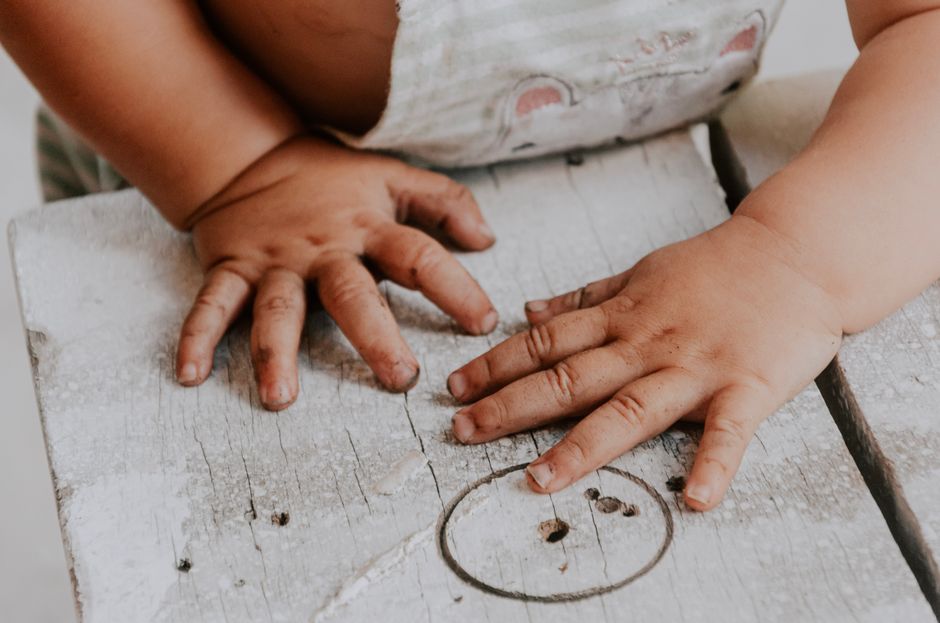
Watch your child during play. Do they return to the toy? Do they seem calmer or more engaged? The best sensory toy matches your child's actual sensory preferences, not a designer's assumptions.
Developmental Screening and Play
Sensory play also serves as an informal developmental checkpoint. How a child manipulates objects, responds to textures, and seeks or avoids certain sensations tells caregivers about their developmental trajectory.
The CDC's developmental-screening resources emphasize observation during play as a key indicator of typical or atypical development.
Toys designed with clear sensory purpose make this observation easier. When a child plays with an intentionally textured toy, their natural responses reveal a lot about their sensory processing and motor control.
The Bottom Line
Sensory toy design isn't about gimmicks or novelty. It's about building tools that respect how children's brains and bodies actually learn.
The toys that matter most in 2026 are the ones that give children agency—safe ways to explore textures, sounds, and movement at their own pace.
When you choose a sensory toy with intention, you're not just buying entertainment. You're investing in a child's ability to process the world around them.