Why Artisan Thread Work Is Drawing Families Back to Handcraft
Hand-embroidered textiles and traditional stitching techniques are reconnecting households to slower, more intentional making.
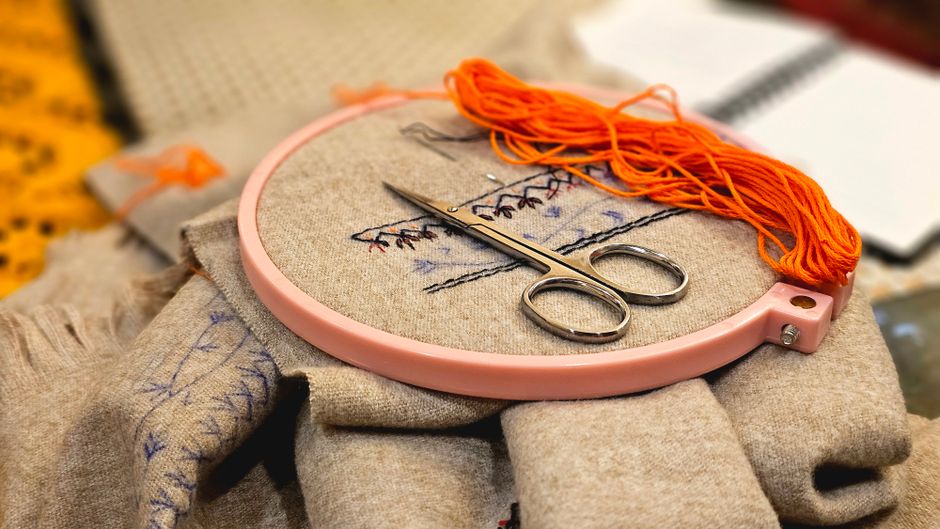
Screen time and mass-produced goods have dominated family life for decades, but a quiet counter-movement is taking shape in living rooms across the country.
Artisan thread work—hand embroidery, needlepoint, cross-stitch, and other textile crafts—is experiencing a genuine resurgence, particularly among parents seeking activities that bring households together without devices.
Unlike trending hobbies that fade fast, this one taps into centuries-old technique and offers something deeper: the chance to create something heirloom-quality while teaching children patience, focus, and craft pride.
The Shift Toward Intentional Making
Families are rediscovering that handwork—real, tangible, slow work—changes how people spend time together.
Hand-stitched projects demand presence. There's no rushing a complex embroidery design or a hand-dyed linen backing.
This deliberate pace appeals to parents and kids alike, particularly those tired of activity schedules packed into every evening.
Thread work also sidesteps the sustainability questions facing fast fashion. Fashion sustainability debates often center on industrial production, but hand-made textiles carry zero supply-chain guilt.
A child who spends months completing a hand-embroidered pillow or wall hanging develops a fundamentally different relationship with fabric and craft than one who buys mass-market décor.

Five Thread Crafts Perfect for Family Projects
1. Cross-Stitch — Grid-based and forgiving for beginners; produces finished pieces in weeks rather than months.
- Minimal equipment needed
- Clear pattern guides
- Infinite design libraries online
2. Hand Embroidery — Freeform artistic expression; teaches needle control and color theory.
- Works on any fabric
- Numerous stitch types to learn
- Customizable designs
3. Needlepoint — Durable finished textiles (pillows, belts, bags); meditative and rhythmic.
- Long-lasting results
- Stitch consistency builds quickly
- Good for fine motor skill development
4. Sashiko — Japanese running-stitch technique on indigo cloth; geometric and satisfying.
- Minimal materials
- Meditative rhythm
- Produces functional textiles
5. Crewel Work — Wool thread on linen; bold, sculptural, and historically rooted.
- Rich color depth
- Historical design libraries
- Elegant finished appearance
Why Kids Respond to Thread Work
Children thrive on concrete, measurable progress. Unlike abstract crafts, thread work offers visible daily advancement—rows completed, colors integrated, designs emerging row by row.
The repetitive motions also have a calming effect. Occupational therapists and educators recognize hand-stitching as a regulatory activity for anxious or overstimulated children.
Most importantly, thread work produces something beautiful and functional—a finished item a child can gift, keep, or wear.
Loops & Threads and similar suppliers stock kits designed specifically for younger crafters, with pre-marked fabrics and simplified patterns that build confidence without overwhelming beginners.
A ten-year-old completing her first embroidered bookmark or a teenager stitching a gift for a sibling experiences real maker pride—not the fleeting dopamine of a digital reward.

Thread Work by the Numbers
Building a Home Thread-Work Culture
Families who commit to thread work often carve out a dedicated craft corner—a basket of organized thread, a small table, good natural light.
The best approach is low-pressure: stock supplies, show a few YouTube tutorials, then step back and let interest lead.
Some families make it a weekly ritual—Sunday afternoons with tea, music, and needles moving across fabric.
Others use it as a way to preserve family stories: combining scraps of childhood clothing into a sewn memory quilt, or stitching heirloom patterns passed down through generations.
Thread work doesn't require perfection or finished products. The point is the doing—the quietness, the focus, the texture of thread between fingers, and the conversation that happens naturally when hands are busy but minds are present.
Begin with a kit from a trusted craft supplier rather than buying bulk thread and supplies separately. Pre-assembled beginner sets include properly matched colors, appropriate needle sizes, and patterns scaled for newcomers—removing decision fatigue and setting up success.
The Long Stitch
Artisan thread work isn't trendy or temporary. It's a grounded, tactile practice that offers families a genuine alternative to passive consumption and device-mediated time.
In 2026, as more households recognize the mental health and bonding benefits of hands-on making, thread work stands out as one of the most accessible, affordable, and rewarding entry points into intentional craft.
A single skein of thread, a needle, and patience can anchor a family ritual that lasts years—and produce heirloom pieces that outlive us.