Finding the Right Creative Craft Supplies for Family Projects
How to stock your craft closet for meaningful projects that work across ages and skill levels.
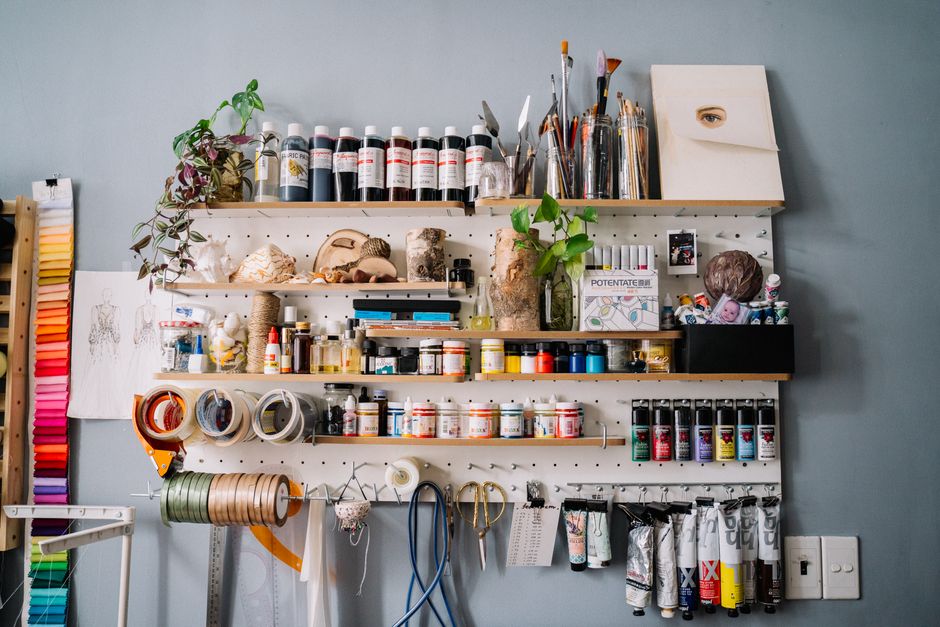
Craft time with family has always been about more than the finished product. It's the hour spent together, the small decisions, the inevitable mistakes that somehow make the best memories.
Choosing the right supplies matters more than many parents realize. The difference between a frustrating afternoon and one your kids ask to repeat comes down to materials that actually work—not just look appealing on the shelf.
The Foundation: What Every Craft Closet Needs
Start with basics that work across multiple projects. Quality scissors, adhesives that dry clear, and paper in varied weights and finishes cover the majority of craft sessions.
The appeal of Joann's and similar retailers lies partly in their breadth—you can source most everyday supplies in one trip. But the real win is investing in tools that don't frustrate young hands.
Dull scissors force kids to press harder, leading to sore fingers and torn paper. A decent ruler or cutting mat prevents accidents and teaches precision without feeling like work.
Core Supplies Worth the Investment

Balancing Cost and Quality
Bulk buying tempts parents, but one excellent red marker beats a pack of dried-out ones. Focus budget on tools; save on embellishments.
Seasonal sales are ideal times to stock up on items with long shelf lives. Check expiration dates on markers and glue—they dry out faster than you'd expect.
Many families find that rotating supplies keeps projects fresh without overwhelming storage space. This year's beads become next year's novelty when they've been tucked away.
Projects That Fit the Supplies You Have
The best craft supplies are ones you'll actually use. Specialty items gather dust unless you have a clear project in mind.
According to the Craft Council, the most durable family traditions center on repeatable, low-pressure activities—collage, painting, and building with found objects.
A single container of markers and a stack of paper sustains countless afternoon sessions. Add construction paper and scissors, and you've opened doors to cut-and-paste, weaving, and sculpture.
Five Project Types Worth Stocking For
1. Collage & Paper Work — All ages; minimal cleanup
- Scissors, glue, paper scraps, old magazines
- Works with leftover materials
- Teaches composition naturally
2. Painting & Drawing — Ages 3+; builds fine motor skills
- Markers, colored pencils, watercolors, sketch paper
- Washable options reduce stress
- Supports creative expression
3. Building with Boxes & Cardboard — All ages; surprisingly engaging
- Saved shipping boxes, tape, paint
- Develops spatial reasoning
- Zero waste approach appeals to kids
4. Fiber Crafts — Ages 5+; patience-building
- Yarn, string, large needles, loom
- Tactile and meditative
- Results feel tangible and real
5. Mixed-Media & Found Objects — Ages 4+; imagination-centered
- Buttons, beads, yarn, twine, fabric scraps
- Uses household throwaways
- Teaches resourcefulness

Storage That Works
Clear containers let kids see what's available—and that visibility drives creative choices. Opaque bins hide supplies, literally and psychologically.
Label everything, or invite older kids to organize and label. This task itself becomes a mini-project that builds ownership.
Keep frequently used items at child height. Markers and scissors should be accessible without asking permission every time. This independence is the point.
The Real Value of Good Supplies
Craft time anchors family connection in a way few activities do. The right supplies remove friction and let creativity flow.
You don't need every specialty item to make meaningful projects. You need basics that work, space to use them, and permission to make a mess.
Start simple. Watch what your kids gravitate toward. Build from there. The best craft closet evolves with your family's interests, not a magazine's checklist.