Heritage Craft Techniques Reshaping Modern Family Activities
Traditional skills are finding new life in contemporary households, bridging generations through hands-on learning.

Heritage crafts—weaving, embroidery, hand-dyeing, woodcarving—were once essential household skills passed down without fanfare.
Today, families are intentionally reviving these techniques, often discovering that ancestral methods offer something mass production cannot: presence, skill-building, and genuine connection.
This shift reflects a broader appetite for tactile, slow learning in an era of screens.
Why Heritage Crafts Matter Now
Screen fatigue among children is well documented. Heritage crafts demand focus without digital distraction.
But the appeal runs deeper. When a parent teaches a child to hand-spin wool or embroider, knowledge transfers in real time—mistakes correct immediately, technique refines through repetition.
These methods also carry cultural weight. A family learning to weave using grandmother's shuttle honors both skill and identity.
Five Heritage Techniques Families Are Reclaiming
1. Hand Knitting & Crochet — Meditative, portable, multi-generational appeal.
- Low startup cost
- Immediate visible progress
- Scalable difficulty
2. Embroidery & Needlework — Teaches precision; produces keepsake textiles.
- Minimal equipment needed
- Rich historical patterns
- Personalization potential
3. Natural Dyeing — Combines chemistry, art, and plant knowledge.
- Teaches color theory
- Uses household ingredients
- Unpredictable, rewarding outcomes
4. Weaving — Develops spatial reasoning and rhythm.
- Looms range from simple to complex
- Produces functional textiles
- Ancient, global practice
5. Basket Weaving & Fiber Work — Strengthens hand dexterity and patience.
- Uses natural or recycled materials
- Quick learning curve
- Yields practical storage items
Learning From Textiles Themselves
The Smithsonian's collection of textile traditions reveals how each stitch and weave tells a story about region, resource availability, and cultural values.
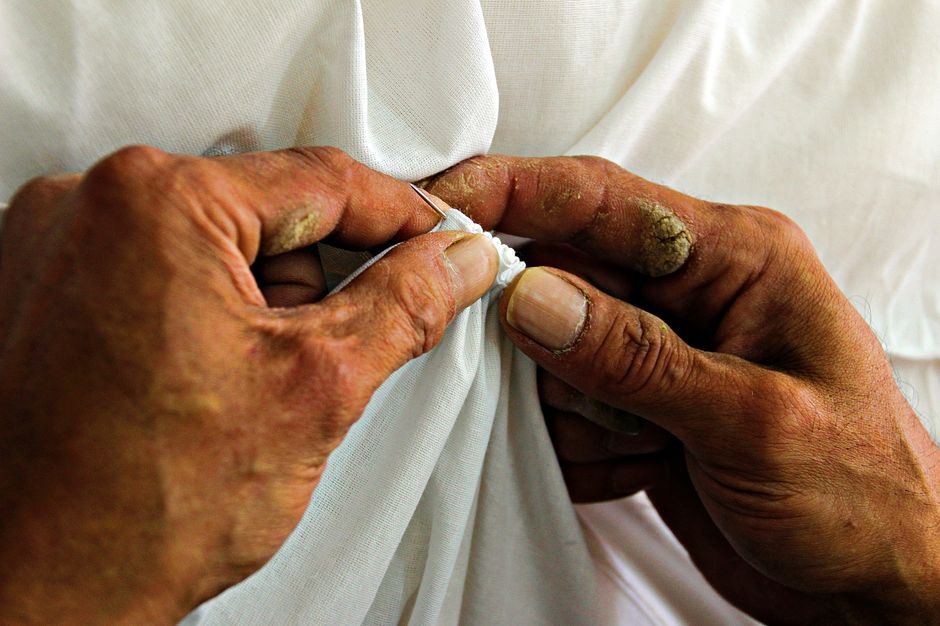
Families studying heritage techniques are essentially reading history through their hands. A traditional Japanese indigo-dyeing method, or Andean weaving patterns, become lessons in anthropology and geography without leaving the craft room.
Brands like Caron have recognized this shift, offering heritage-quality materials that support both beginner families and experienced practitioners seeking authentic fibers.
The act of selecting yarn or thread becomes intentional—matching fiber type to technique, learning why wool behaves differently than cotton, understanding why linen requires patience.
Begin with what your family already has: old t-shirts for braiding or felt-making, kitchen scraps for natural dye experiments. Heritage crafts predate consumerism; resourcefulness is part of the tradition.
The Intergenerational Benefit
When grandparents teach grandchildren, unspoken knowledge becomes articulated. Why does this tension feel right? How do you know when a seam is finished?
These conversations strengthen family bonds while preserving skills that might otherwise vanish. Teenagers often resist but stay engaged—the tangible outcome (a finished garment, a dyed scarf) motivates in ways digital tasks rarely do.
Parents report that heritage crafting also slows family time. No one rushes embroidery. No one scrolls while weaving.

Sustainability Meets Tradition
Heritage crafts align naturally with sustainability values. Hand-making extends an object's perceived value; a hand-knit sweater is cherished, not discarded.
Natural dyeing produces no synthetic wastewater. Fiber scraps become projects. Skills replace purchasing, reducing consumption.
For families seeking to embody environmental values without preaching, heritage crafts offer tangible practice. The craft itself teaches stewardship.
Looking Ahead
Heritage craft techniques are not nostalgic escapes—they're practical, beautiful solutions to modern disconnection.
Whether a family commits to weekly knitting circles, seasonal natural-dyeing workshops, or casual embroidery evenings, the benefits compound: slower living, deeper learning, and hands that know how to make something from fiber and patience.
In 2026, the revival of these ancient skills feels less like a trend and more like a necessary recalibration.