How Sensory Toy Design Shapes Child Development in 2026
Understanding texture, sound, and tactile feedback in toys that support learning
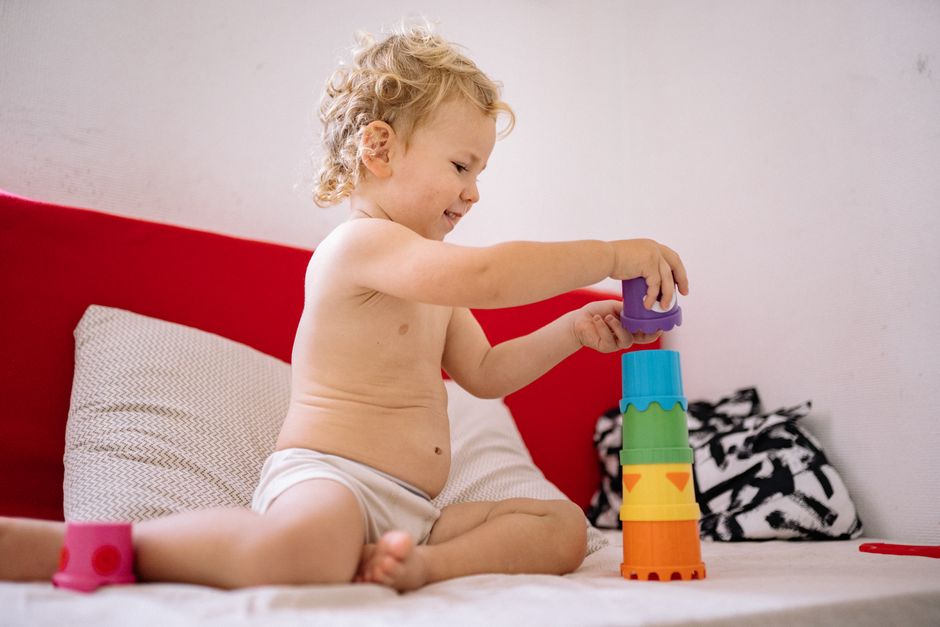
Sensory toys have moved beyond novelty—they're now recognized as tools that support early childhood development and learning. From weighted fidgets to crinkly fabrics, these toys engage multiple senses simultaneously, helping children process information and regulate emotions.
What makes effective sensory design isn't flashy marketing. It's thoughtful engineering: the right amount of resistance, texture variety, and multi-sensory input that matches how kids' brains actually work.
Why sensory input matters for growing brains
Neuroscience confirms that tactile, auditory, and proprioceptive input—pressure, touch, sound—directly influence how children's nervous systems develop. Sensory processing isn't passive. It's active wiring.
Children with sensory sensitivities, autism spectrum traits, or anxiety often benefit most from well-designed toys. But every child gains from sustained sensory engagement—improved focus, calmer emotional states, and better body awareness.
The best sensory toys don't overwhelm. They layer input: a toy might combine gentle weight with varied textures and a quiet crinkle sound. This multi-sensory approach keeps engagement without triggering overstimulation.

Core design principles in sensory toy engineering
The role of texture in sensory play
Texture is often overlooked in toy design, but it's foundational. A child exploring corduroy, silicone, knit fabric, and rubber within one toy learns discrimination—the brain's ability to detect subtle differences in tactile input.
Many sensory toys now blend natural and synthetic materials. Cotton, wool, and bamboo sit alongside medical-grade silicone and thermoplastic rubber. This mix accommodates sensory preferences and environmental values.
Verywell Family notes that sensory play with varied textures also supports language development—kids naturally describe what they feel, expanding vocabulary. Brands like Needohtoys have integrated texture-layering into their product lines, recognizing that monotextural toys miss developmental opportunities.
Observe what your child gravitates toward—soft squishers, crunchy items, or pressure-based toys. Then lean into that preference. Sensory toys aren't one-size-fits-all; they work best when matched to individual regulatory needs.
Beyond fidgets: sensory toys for different developmental stages
Infants need high-contrast colors and simple textures—crinkle mats, soft blocks, teething rings. Toddlers benefit from toys offering resistance, like squishy balls or weighted lap pads that ground them during transitions.
Preschoolers and older kids engage with more complex multi-sensory toys: pop-it fidgets, infinity cubes, weighted blankets. These toys support focus during learning and can ease anxiety during transitions or overstimulating environments.
School-age children often use sensory toys as stress-management tools. A fidget toy in a backpack offers discreet regulation during a challenging day without drawing attention from peers.
The goal of sensory toy design isn't novelty—it's supporting the child's nervous system to do its job: process, regulate, and grow.
— Common insight among pediatric occupational therapists and child development specialists

Emerging trends in sensory toy design
Eco-conscious materials are reshaping the industry. Parents now expect toys made from organic cotton, natural rubber, or recycled plastics—without sacrificing sensory quality.
Customization is rising too. Some brands now offer modular sensory toys where parents can swap textures or weight inserts based on their child's evolving needs.
There's also renewed interest in low-tech sensory play: kinetic sand, stress dough, and sensory bins filled with dried pasta or rice. These offer open-ended exploration without batteries, screens, or Wi-Fi.
The takeaway
Good sensory toy design isn't about stimulation overload. It's about giving kids tools to understand and regulate their bodies and emotions. Texture, weight, and sound work together when thoughtfully engineered.
Whether you're shopping for a child with sensory sensitivities, supporting neurodivergence, or simply looking for toys that engage developing brains, focus on layered input and durability. The best sensory toys are the ones children reach for again and again.