How Sensory Toy Design Supports Child Development
Tactile, auditory, and visual stimulation shapes learning in ways traditional toys often miss.
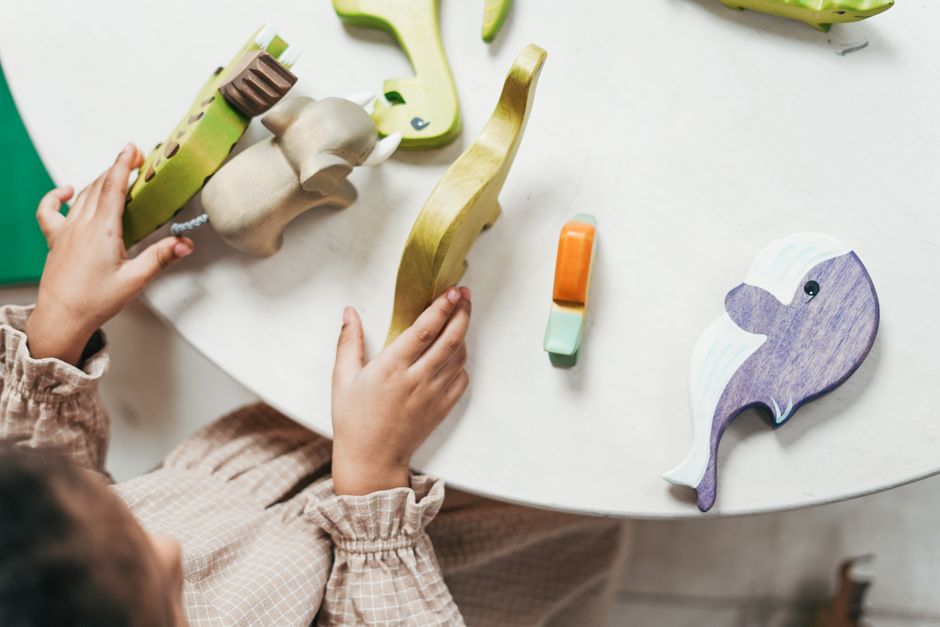
Sensory toys occupy a distinct niche in child development—not because they're trendy, but because they address how children actually learn.
When a toddler grabs a toy with bumps, crinkles, or a bell inside, they're gathering information about the world through touch, sound, and sight simultaneously.
Understanding what makes sensory design effective means looking at the science behind texture, noise, and visual feedback.
What Sensory Play Actually Does
Sensory play isn't background entertainment—it's core to how children's brains wire themselves.
Sensory processing involves the nervous system taking in stimuli and organizing responses, which shapes motor skills, emotional regulation, and cognitive growth.
A toy that crinkles, squishes, or vibrates activates multiple neural pathways at once, reinforcing connections faster than passive observation alone.
This is especially important in the first three years, when the brain is most receptive to new input.
Core Design Elements in Sensory Toys

Why Overstimulation Matters
Not all sensory input is beneficial—too much noise, light, or texture can overwhelm a child's developing nervous system.
Effective sensory toy design balances stimulation with calm periods, allowing the brain to process and integrate what it's learned.
Companies like Needohtoys focus on layering sensations in ways that feel engaging rather than chaotic, using softer sound profiles and organized visual patterns.
A toy that's overly complex or painfully loud can trigger stress responses rather than exploration.
Five Key Principles of Good Sensory Design
1. Age-Appropriate Complexity
Infants need simple single textures; toddlers benefit from multiple elements on one toy.
2. Safety Over Novelty
Every material must be tested for toxins, sharp edges, and choking hazards before design appeal matters.
3. Durable Stitching and Seams
Children pull, chew, and wash sensory toys relentlessly—cheap construction invites failure and frustration.
4. Washable Without Losing Texture
Machine-washing shouldn't flatten bumps or fade important color contrast that supports visual learning.
5. Neutral Base With Accent Colors
Overly bright or multi-colored designs tire eyes; strategic contrast keeps focus without fatigue.

The Role of Repetition
Children don't tire of sensory toys the way they do picture books—each interaction reveals something new because their nervous systems are still learning to interpret input.
A toy with three different textures stays novel because the child's brain processes them at different speeds as it develops.
VeryWell Family notes that repetition is core to sensory learning; predictability also builds confidence and security.
This is why sensory toys often succeed where flashy electronic toys fail—they invite the child to direct play rather than passively receive stimulation.
Rotate sensory toys every few weeks rather than leaving them all out. Fresh attention to a familiar toy builds neural pathways just as effectively as novelty, without overstimulation.
Design With Intent
Sensory toy design that works doesn't happen by accident—it requires understanding child neurology, material science, and safety standards.
The best toys aren't the loudest or most colorful, but the ones that invite sustained, focused exploration.
As toy design continues to evolve in 2026, the brands that understand restraint alongside sensory richness will remain the ones families trust.