Why Artisan Craftsmanship Matters to Modern Families
Handmade goods and traditional skills are reshaping how families approach durability, creativity, and connection.

There's something quieter happening in homes across the country. While mass production and digital screens dominate, families are rediscovering the value of objects made by hand.
This shift isn't nostalgia. It's a deliberate pivot toward durability, intentionality, and the kind of craftsmanship that lasts decades.
The slow turn toward handmade
Artisan craftsmanship isn't about returning to the past—it's about choosing differently in the present. Families are investing in handcrafted items: wooden toys, leather goods, pottery, knitted textiles.
These objects cost more upfront. But they accumulate stories. A wooden spoon used daily in a kitchen passes to the next generation. A hand-thrown ceramic plate holds a meal, then a memory.
According to Smithsonian Magazine, contemporary craft traditions are experiencing renewed interest as people seek alternatives to disposable consumer goods.

Building skills alongside objects
When a family engages with artisan craftsmanship, something unexpected happens: it becomes an opportunity for learning.
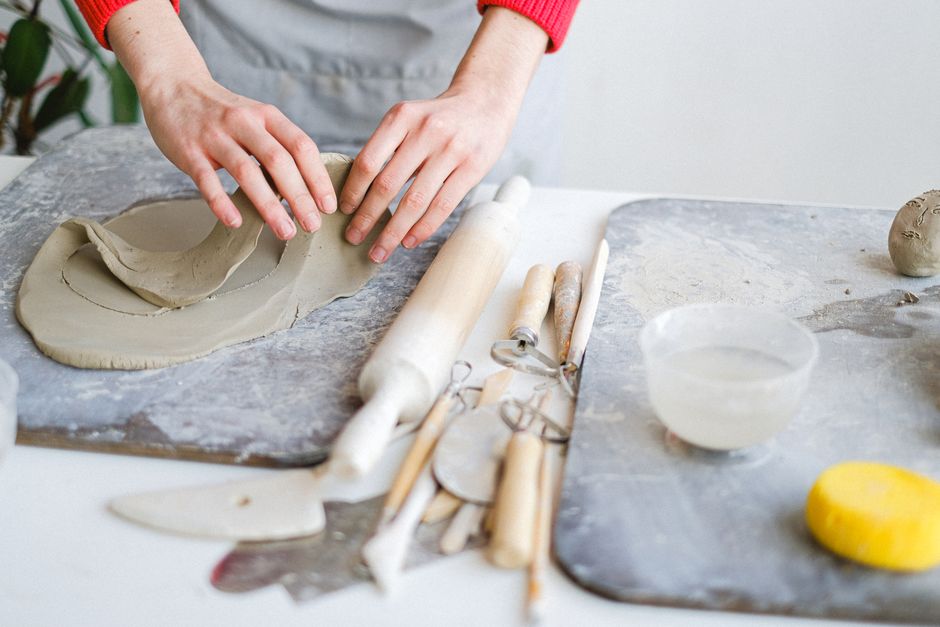
Parents and children sit together at a pottery wheel, learning to center clay. A teenager watches a leatherworker shape a belt and asks to try the tools. These moments build patience and respect for difficulty.
Craftsmanship teaches what screen time cannot: the relationship between effort, material, and outcome. It's immediate feedback and tangible progress.
What draws families to handmade goods
The family craft workshop model
Some families are building small craft spaces at home: a corner for woodworking, a shelf for fiber arts supplies, a setup for jewelry making or bookbinding.
The goal isn't to become professional. It's to slow down together, to create something usable, and to understand why handmade objects command respect.
Brands like Tonkaco have recognized this appetite by offering curated craft kits and tools designed for family use—materials that invite experimentation without requiring years of prior training.
Craftsmanship teaches patience and intentionality in an age of instant gratification.
Contemporary design perspective
Beyond decoration
Artisan craftsmanship isn't confined to decorative objects. Families are applying these principles to clothing, food preparation tools, and everyday items.
A hand-stitched apron becomes a kitchen heirloom. A wooden cutting board gains character with use. These aren't museum pieces—they're working objects that improve with age.
Craftsmanship in this context is defined not by complexity alone, but by intentional skill applied to utility.
A different measure of value
In 2026, choosing artisan craftsmanship is a small act of resistance against disposability. It's not purity or pretense.
It's a family deciding that some objects matter enough to last. That the time spent making or learning is time spent well. That a handmade spoon, used daily, tells a story worth keeping.